
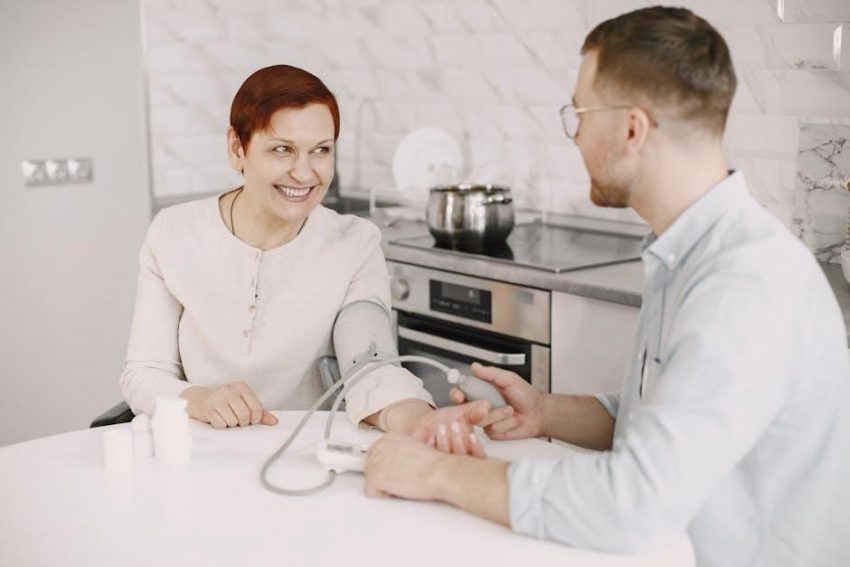
Understanding Blood Pressure and Exercise
Hypertension affects a significant global population, impacting approximately 1.13 billion individuals worldwide, and poses serious risks to vital organs.
Around one in three people in the UK experience this common health issue, often without noticeable symptoms in its early stages of development.
Effective blood pressure regulation is crucial for maintaining the health of the heart, brain, and kidneys, preventing severe complications over time.

The Prevalence of Hypertension
Hypertension, commonly known as high blood pressure, is a remarkably widespread health concern, affecting a staggering 1.13 billion people globally. This prevalence underscores the critical need for proactive management and preventative strategies. Surprisingly, many associate hypertension with solely stressful or unhealthy lifestyles, however, it’s one of the most common health issues in the UK, impacting roughly one in three adults.
Often described as a “silent” condition, high blood pressure frequently presents without noticeable symptoms, allowing it to develop undetected for extended periods. This lack of immediate warning signs is particularly concerning, as prolonged, uncontrolled hypertension significantly elevates the risk of severe health complications. These can include debilitating conditions like heart attacks, strokes, and various kidney diseases, highlighting the importance of regular monitoring and intervention.
Understanding the sheer scale of hypertension’s impact is vital for promoting awareness and encouraging individuals to prioritize their cardiovascular health.
The Silent Nature of High Blood Pressure
A particularly dangerous characteristic of hypertension is its often asymptomatic nature; it frequently presents without any noticeable symptoms for a considerable time. This “silent” quality allows the condition to progress undetected, potentially causing significant damage to vital organs before diagnosis. Individuals may experience occasional dizziness or fainting, which could be early indicators of low blood pressure (hypotension), but high blood pressure often goes unnoticed.
This lack of immediate warning signs makes regular blood pressure checks incredibly important, as early detection is crucial for effective management. Without symptoms, people are less likely to seek medical attention or adopt lifestyle changes that could mitigate the risks. The insidious nature of hypertension means that by the time symptoms do appear, substantial cardiovascular damage may already be present.
Therefore, proactive monitoring and awareness are key to combating this silent threat to public health.
Risks Associated with Uncontrolled Blood Pressure
Uncontrolled high blood pressure significantly elevates the risk of several severe and potentially life-threatening health complications. Over time, persistent hypertension can lead to debilitating conditions such as heart attacks and strokes, dramatically impacting quality of life and longevity. The strain on the cardiovascular system weakens the heart, increasing the likelihood of heart failure.
Furthermore, prolonged high blood pressure damages the kidneys, potentially leading to kidney disease and eventual kidney failure, requiring dialysis or transplantation. The brain is also vulnerable, as hypertension can contribute to vascular dementia and cognitive decline. These risks underscore the critical importance of managing blood pressure effectively.
Ignoring hypertension isn’t simply a matter of feeling unwell; it’s a pathway to serious, irreversible health problems.
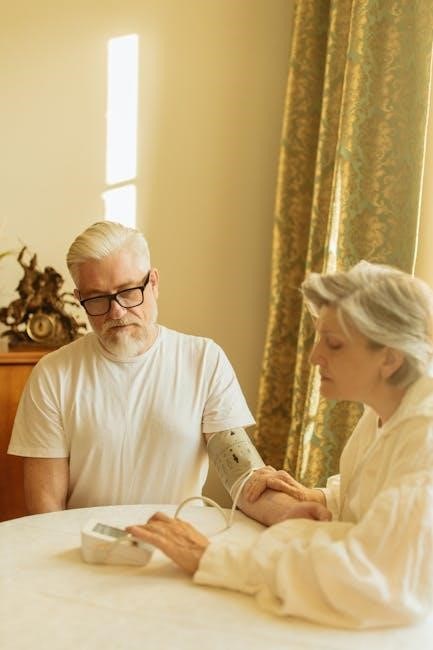
The Role of Exercise in Blood Pressure Management
Regular physical activity is a cornerstone of effective blood pressure control, benefiting the heart, brain, and kidneys significantly for overall wellness.
Why Exercise Matters for Heart, Brain, and Kidneys
Maintaining healthy blood pressure is paramount for the well-being of three critical organ systems: the heart, the brain, and the kidneys. Uncontrolled hypertension places immense strain on the cardiovascular system, increasing the risk of heart attacks and strokes. The heart must work harder to pump blood against elevated pressure, leading to potential enlargement and weakening over time.
The brain is also highly susceptible to the damaging effects of high blood pressure. Chronic hypertension can disrupt blood flow to the brain, contributing to cognitive decline and increasing the likelihood of stroke. Furthermore, the kidneys play a vital role in regulating blood pressure, and sustained hypertension can impair their function, potentially leading to kidney disease and failure.
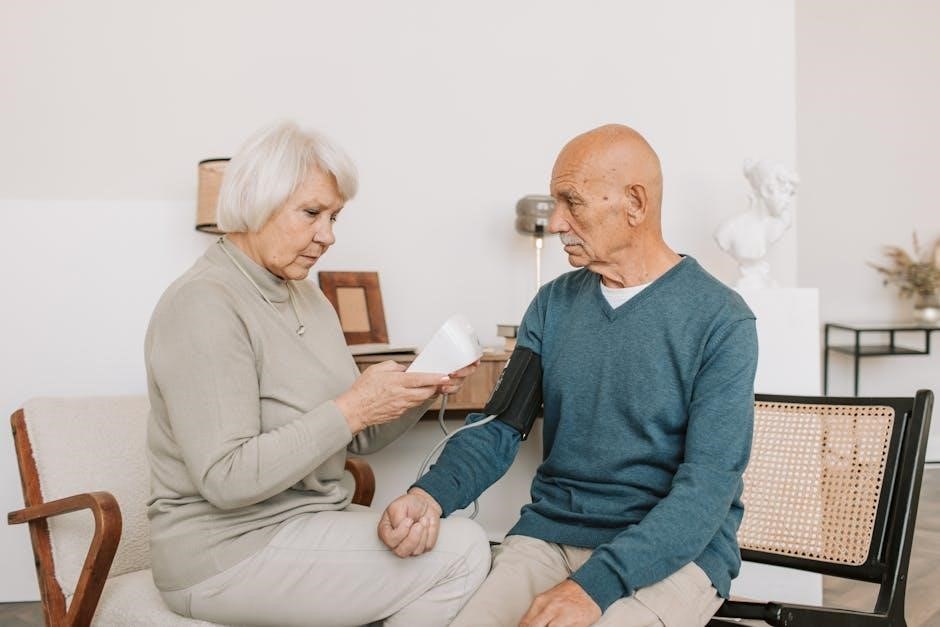
Therefore, incorporating regular exercise into a lifestyle is not merely about fitness; it’s a proactive step towards safeguarding these essential organs and preventing serious health complications.
Beyond Cardio: A Shift in Exercise Focus
Traditionally, cardiovascular exercise has been championed for its health benefits, but emerging research suggests a compelling shift in exercise focus for optimal blood pressure management. While cardio remains valuable, recent studies, including those published in the British Journal of Sports Medicine, highlight the surprising effectiveness of isometric exercises.
These exercises, unlike traditional cardio, don’t involve dynamic movement; instead, they focus on static muscle contractions. This approach appears particularly potent in lowering blood pressure, potentially offering a more targeted solution for individuals struggling with hypertension. Experts like Matt Roberts, founder of Evolution fitness club, are advocating for incorporating these techniques into fitness routines.
This isn’t to dismiss cardio entirely, but rather to emphasize the importance of a well-rounded program that prioritizes isometric training alongside other activities.
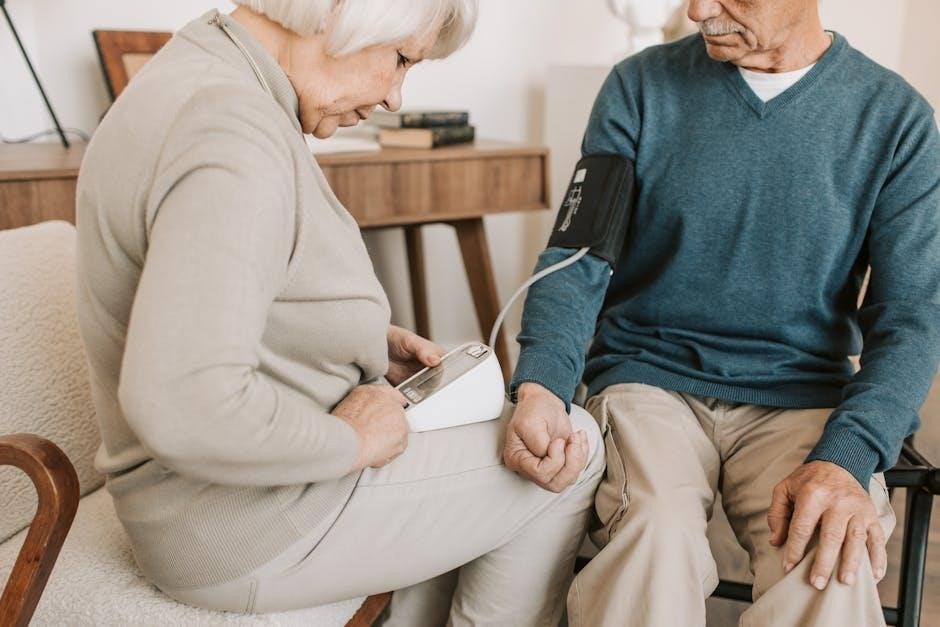
Isometric Exercises for Blood Pressure Reduction
Isometric exercises, such as planks and side planks, are proving remarkably effective in improving blood pressure, offering a non-cardio approach to wellness.
What are Isometric Exercises?
Isometric exercises are a unique form of physical activity where muscles engage and contract without visibly changing length or causing joint movement. Unlike concentric or eccentric exercises involving dynamic movement, isometrics focus on static muscle activation, holding a position against resistance.
This type of exercise doesn’t require specialized equipment, making it incredibly accessible for individuals seeking blood pressure management strategies. The core principle revolves around creating tension within the muscles, maintaining that tension for a specific duration, and then releasing.
Recent research, notably published in the British Journal of Sports Medicine, highlights the surprising efficacy of isometric training for lowering blood pressure. These exercises offer a compelling alternative or supplement to traditional cardio, particularly for those seeking a different approach to cardiovascular health. They are proving to be a valuable tool in combating hypertension.
Examples of Effective Isometric Exercises
Several isometric exercises demonstrate significant potential for blood pressure reduction, easily incorporated into a daily routine. The plank, a foundational exercise, involves maintaining a straight line from head to heels, engaging core, back, and shoulder muscles. Holding this position builds strength and provides isometric benefits.
The side plank, a variation, targets oblique muscles, enhancing core stability and contributing to blood pressure control; Wall sits, another effective option, require leaning against a wall with knees bent at 90 degrees, simulating a seated position and engaging leg muscles.
These exercises, as highlighted by fitness experts like Matt Roberts, offer a practical and accessible pathway to managing hypertension. They require no equipment and can be modified to suit individual fitness levels, making them ideal for a broad range of individuals seeking to improve their cardiovascular health.
The Plank
The plank stands out as a remarkably effective isometric exercise for lowering blood pressure, requiring no equipment and minimal space. To perform a plank, begin in a push-up position, then lower onto your forearms, maintaining a straight line from head to heels.
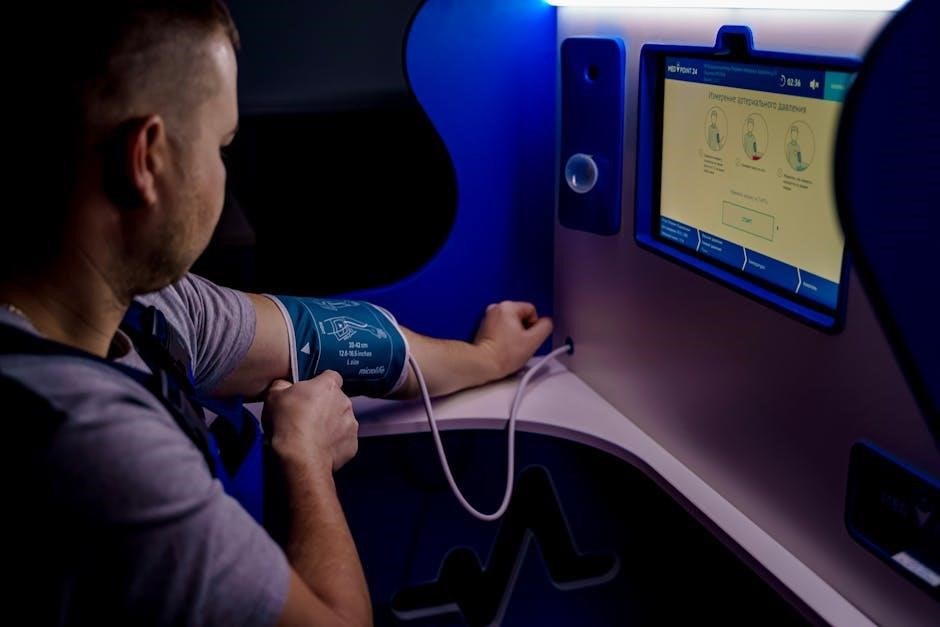
Engage your core, back, and shoulder muscles, preventing your hips from sagging or rising. Hold this position for as long as possible, focusing on maintaining proper form.
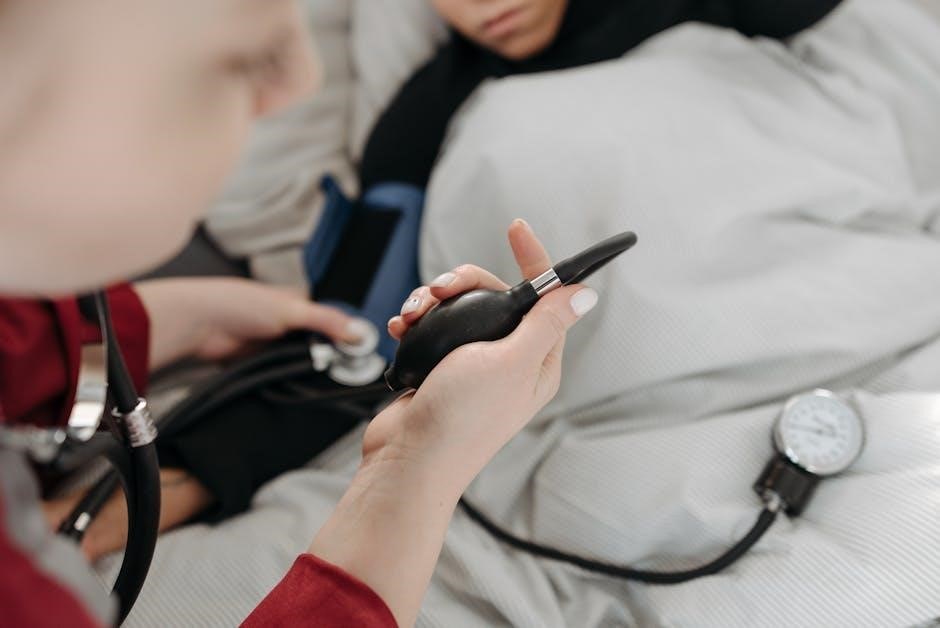
As noted in recent studies published in the British Journal of Sports Medicine, consistent planking can contribute significantly to cardiovascular health. It’s a foundational exercise recommended by fitness professionals for its accessibility and effectiveness in combating hypertension, offering a simple yet powerful tool for blood pressure management.
Side Plank
The side plank is another potent isometric exercise, highly beneficial for blood pressure reduction and core strength development. Begin by lying on your side, propping yourself up on one forearm, ensuring your elbow is directly beneath your shoulder.
Lift your hips off the ground, creating a straight line from head to feet. Engage your obliques and maintain a stable position, avoiding any twisting or sagging.
Hold for as long as possible, then switch sides. Like the standard plank, the side plank requires no equipment and can be easily incorporated into a daily routine. Experts, such as Matt Roberts, founder of Evolution fitness club, advocate for its inclusion in programs targeting hypertension, highlighting its effectiveness alongside other isometric movements for improved cardiovascular health.
Wall Sits
Wall sits are a remarkably accessible and effective isometric exercise, contributing significantly to blood pressure management and lower body strength. To perform a wall sit, stand with your back flat against a wall, feet shoulder-width apart and slightly away from the wall.
Slowly slide down the wall until your thighs are parallel to the ground, mimicking a seated position. Maintain a 90-degree angle at your knees, ensuring they remain directly above your ankles.
Hold this position for as long as comfortably possible, then slowly slide back up. This exercise requires no equipment and is easily adaptable to different fitness levels. Integrating wall sits, alongside planks and side planks, forms a cornerstone of programs designed to combat hypertension, as highlighted by fitness professionals focused on holistic health approaches.

Creating a Blood Pressure Exercise Program
Combining isometric exercises, like planks, with cardio and seeking professional guidance is vital for a safe and effective hypertension management plan.
Program Considerations & Safety
Before initiating any new exercise regimen, particularly if you have pre-existing health conditions like hypertension, consulting with a healthcare provider is paramount. This ensures the program is tailored to your individual needs and limitations, minimizing potential risks. Start slowly and gradually increase the intensity and duration of isometric exercises, allowing your body to adapt.
Pay close attention to your body’s signals; dizziness or fainting, even occasional occurrences, could indicate low blood pressure or hypotension, requiring immediate attention. Proper form is crucial during exercises like planks and wall sits to prevent injuries.
Warm-up exercises before and cool-down stretches after each session are essential for preparing muscles and promoting recovery. Hydration is also key – drink plenty of water before, during, and after exercise. Remember, consistency is more important than intensity, especially when beginning a blood pressure exercise program.
Frequency and Duration of Isometric Training
For optimal blood pressure reduction, aim for at least three to four isometric training sessions per week, allowing for adequate recovery between sessions. Each session doesn’t need to be lengthy; even short bursts of focused effort can yield significant benefits. A typical session could involve holding each isometric exercise – like planks, side planks, or wall sits – for 30 to 60 seconds.
Repeat each exercise two to three times, with brief rest periods in between. As your strength and endurance improve, you can gradually increase the hold time or the number of repetitions.
Remember, the goal isn’t to exhaust yourself, but to consistently engage your muscles in a sustained contraction. Listen to your body and adjust the frequency and duration based on your individual response and tolerance levels, prioritizing safety and gradual progression.
Combining Isometric Exercises with Other Activities
While isometric exercises are highly effective, they work best when integrated into a well-rounded fitness routine. Don’t rely solely on planks and wall sits; complement them with regular cardiovascular exercise, such as brisk walking, jogging, or cycling, to further enhance heart health and overall well-being.
Consider incorporating dynamic stretching and mobility work before and after your isometric sessions to improve flexibility and prevent injuries. This holistic approach ensures a balanced program that addresses multiple aspects of fitness.
Remember that consistency is key, and finding activities you enjoy will make it easier to stick to your exercise plan long-term. A combination of isometric training and other forms of physical activity offers the most comprehensive benefits for blood pressure management.
Resources and Further Information
Seeking guidance from healthcare professionals and certified fitness experts is vital for a safe and effective blood pressure exercise program implementation.
Finding Reputable PDF Guides
Locating trustworthy PDF guides detailing blood pressure exercise programs requires careful consideration, as information quality varies significantly online. Prioritize resources from established health organizations, reputable medical institutions, or certified fitness professionals. Look for guides that clearly outline exercise protocols, including proper form and progression, specifically focusing on isometric exercises like planks and wall sits.
Ensure the PDF emphasizes safety precautions and advises consulting a healthcare provider before starting any new exercise regimen. Beware of guides promising unrealistic results or lacking scientific backing. Cross-reference information with other reliable sources to verify accuracy. A good resource will detail frequency, duration, and intensity recommendations tailored to different fitness levels.
Remember that a PDF guide should supplement, not replace, personalized advice from a qualified professional.
The Importance of Professional Guidance
Embarking on a blood pressure exercise program, even with readily available PDF guides, necessitates professional guidance to ensure safety and effectiveness. Self-treating hypertension can be risky; a healthcare provider can accurately assess your condition, identify potential risks, and tailor a program to your specific needs. They can also monitor your progress and adjust medications accordingly.
A certified fitness professional specializing in cardiovascular health can demonstrate proper exercise technique, preventing injuries and maximizing benefits. They can design a comprehensive program incorporating isometric exercises alongside other activities, considering your fitness level and any pre-existing conditions.
Professional oversight transforms a general PDF guide into a personalized, safe, and impactful health strategy.
Consulting with a Healthcare Provider
Before initiating any new exercise regimen, particularly one focused on blood pressure management using resources like a PDF guide, consulting a healthcare provider is paramount. Hypertension often presents without symptoms, making professional assessment crucial for accurate diagnosis and risk stratification. A doctor can determine if exercise is safe for you, considering any underlying health conditions or medications you’re taking.
They can establish a baseline blood pressure reading and provide personalized recommendations regarding exercise intensity and type. This ensures the program complements, rather than interferes with, any existing medical treatment.
Regular check-ups allow for monitoring progress and adjusting the program as needed, maximizing its effectiveness and minimizing potential complications.
Working with a Certified Fitness Professional
Complementing medical guidance with the expertise of a certified fitness professional significantly enhances the safety and effectiveness of a blood pressure exercise program, even when utilizing a PDF guide. These professionals possess in-depth knowledge of exercise physiology and can tailor a program to your individual needs and fitness level.

They can demonstrate proper form for isometric exercises like planks and wall sits, minimizing the risk of injury and maximizing muscle engagement. A fitness professional ensures the program progresses appropriately, avoiding overexertion and promoting consistent adherence.
Matt Roberts, a leading fitness expert, emphasizes the importance of a well-structured approach to exercise for hypertension management.