
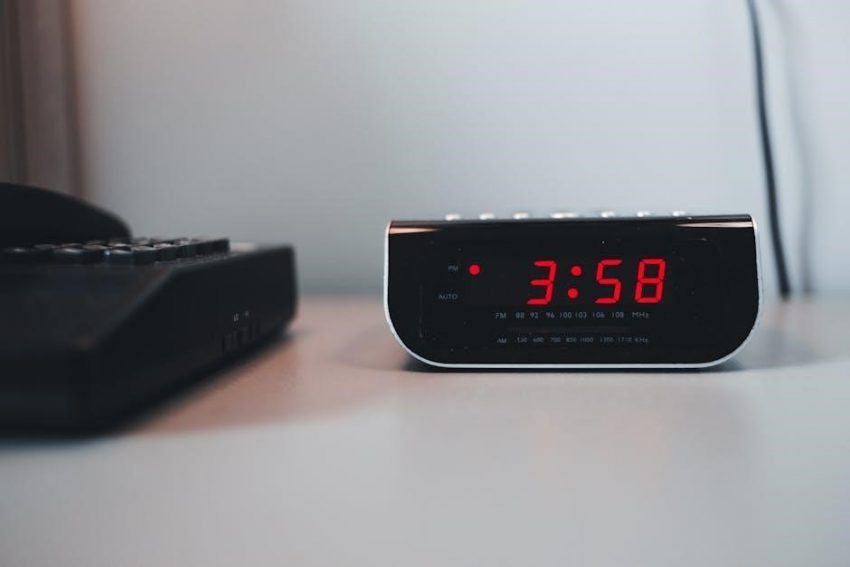
iHome clock radios blend functionality with convenience, offering a user-friendly experience for waking and enjoying audio. Manuals and guides,
like those found on manualzilla, detail setup and operation. These devices cater to diverse needs, from basic timekeeping to charging capabilities.
What is an iHome Clock Radio?
iHome clock radios represent a fusion of traditional alarm clock functionality with modern audio technology; They are designed to be more than just time-telling devices; they serve as bedside companions offering radio, alarm, and increasingly, device charging capabilities. Resources like the iH5 Clock Radio User Manual on manualzilla illustrate this evolution.
Initially, iHome focused on creating alarm clocks with iPod/iPhone docks, capitalizing on the popularity of Apple products. Over time, the product line expanded to include models with Bluetooth connectivity, USB charging ports, and compatibility with various smartphones and tablets. These radios aim to simplify bedside organization by consolidating multiple functions into a single unit. They often feature a compact design suitable for nightstands and offer user-friendly interfaces for easy operation, making them a popular choice for consumers seeking a convenient and versatile alarm clock solution.
Key Features and Benefits
iHome clock radios boast a range of features designed for convenience and enhanced usability. Core benefits include reliable alarm functionality, often with options for standard alarms and gentle wake-up features. Many models incorporate AM/FM radio tuners, allowing users to wake to their favorite stations or enjoy audio entertainment.
Modern iHome radios frequently include Bluetooth connectivity, enabling wireless music streaming from smartphones and tablets. USB charging ports provide a convenient way to power up devices overnight. The compact design optimizes space on nightstands, while intuitive controls ensure ease of use. Accessing user manuals, like the iH5 guide on manualzilla, unlocks the full potential of these features, offering a streamlined and enjoyable user experience, combining practicality with modern technology.
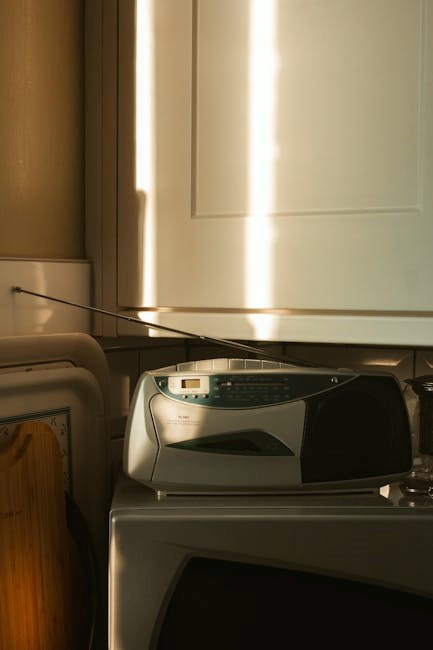
Setting Up Your iHome Clock Radio
Initial setup involves connecting the power adapter and ensuring a stable connection. Referencing the user manual, like those available online, simplifies this process significantly.
Initial Setup and Power Connection
Begin by carefully unpacking your iHome clock radio and verifying that all components are present. Locate the power adapter included in the box; it’s crucial for operation. Connect the adapter to a standard wall outlet, ensuring a secure fit. Then, plug the other end of the adapter into the designated power port on the back of the iHome unit.
Upon connecting the power, the clock radio should illuminate, indicating it’s receiving power. If it doesn’t, double-check the outlet and the connection to the radio itself. Some models may require a brief press of the power button to initiate operation. Refer to the user manual – resources like Manualzilla offer these guides – for specific instructions related to your iHome model. Proper power connection is the foundation for all other functionalities.
Setting the Time
To accurately set the time on your iHome clock radio, locate the “Time Set” button – its position varies by model, so consult your user manual. Press and hold this button; the hour display will begin to flash. Use the “Hour” and “Minute” buttons (or similar controls) to adjust the digits until the correct time is displayed. Remember to pay attention to AM/PM settings, ensuring the correct designation is selected.
Once the desired time is set, press the “Time Set” button again to confirm your changes. The flashing will stop, and the new time will be displayed. Some iHome models offer automatic time synchronization via radio signals (RDS), but manual setting is often necessary initially or if RDS reception is poor. Accurate timekeeping is essential for reliable alarm functionality, so double-check your settings.
Setting the Date
Establishing the correct date on your iHome clock radio, while not always crucial for basic operation, is important for certain features and display accuracy. Similar to setting the time, locate the dedicated “Date Set” button – again, refer to your specific model’s manual for its exact location. Pressing and holding this button initiates the date setting mode, causing the year digits to flash.
Utilize the “Hour” and “Minute” buttons (or equivalent controls) to cycle through the years, months, and days, confirming each selection with subsequent presses of the “Date Set” button. Ensure you follow the correct date format (MM/DD/YYYY or DD/MM/YYYY) as dictated by your radio’s settings. Once the complete date is accurately entered, a final press of the “Date Set” button saves the information. Verify the displayed date to confirm successful setting.

Using the Alarm Functions
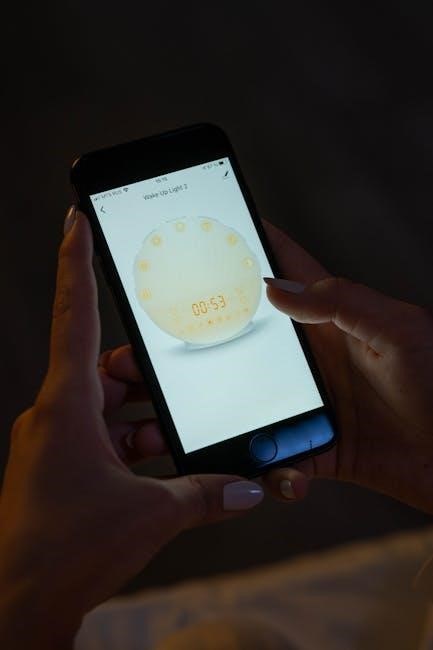
iHome clock radios excel in alarm versatility, offering standard alarms and gentle wake options. User guides detail setting multiple alarms and customizing wake-up sounds for a personalized experience.
Setting a Standard Alarm
To set a standard alarm on your iHome clock radio, begin by ensuring the unit is powered on and displaying the correct time. Typically, a dedicated “Alarm Set” button initiates the process. Pressing this button often enters a setting mode where you can adjust the alarm hour and minute using the tuning or navigation buttons.
Refer to your specific model’s user guide – resources like Manualzilla offer detailed instructions – as button layouts can vary. Once the desired alarm time is set, confirm your selection, often by pressing the “Alarm Set” button again or a dedicated “Enter” button.
You’ll likely need to select an alarm source, such as radio (AM/FM) or a buzzer. Some models allow choosing a specific radio station. Finally, ensure the alarm is enabled; a small alarm indicator icon should illuminate on the display, confirming it’s active and ready to wake you.
Setting a Gentle Wake Alarm
Many iHome clock radios feature a “Gentle Wake” or “Nature Sounds” alarm option, designed for a more pleasant awakening. To activate this, first enter the alarm setting mode, usually by pressing an “Alarm Set” button. Instead of selecting a traditional buzzer or radio station, navigate the menu to find the gentle wake options.
These often include a selection of natural sounds like ocean waves, rainfall, birdsong, or gradually increasing ambient tones. Use the tuning or navigation buttons to preview and choose your preferred sound.
As with a standard alarm, set the desired wake-up time and confirm your selection. The volume level for the gentle wake alarm is often adjustable, allowing you to customize the intensity. Check your model’s manual – resources like Manualzilla can be helpful – to understand specific settings and features.
Using the Snooze Function
The snooze function on your iHome clock radio allows for a few extra minutes of sleep after the alarm initially sounds. Typically, a large, easily accessible “Snooze” button is located on the top or front of the unit. Pressing this button temporarily silences the alarm, and it will reactivate after a pre-set interval, usually around nine minutes.
Some iHome models offer customizable snooze durations, allowing you to adjust the interval to your preference. Consult your user manual – resources like Manualzilla can provide specific instructions for your model – to learn how to modify this setting.
Be mindful of repeatedly using the snooze function, as it can disrupt your sleep cycle and leave you feeling groggier. It’s best used sparingly for a quick reprieve before fully waking up.
Radio Operation
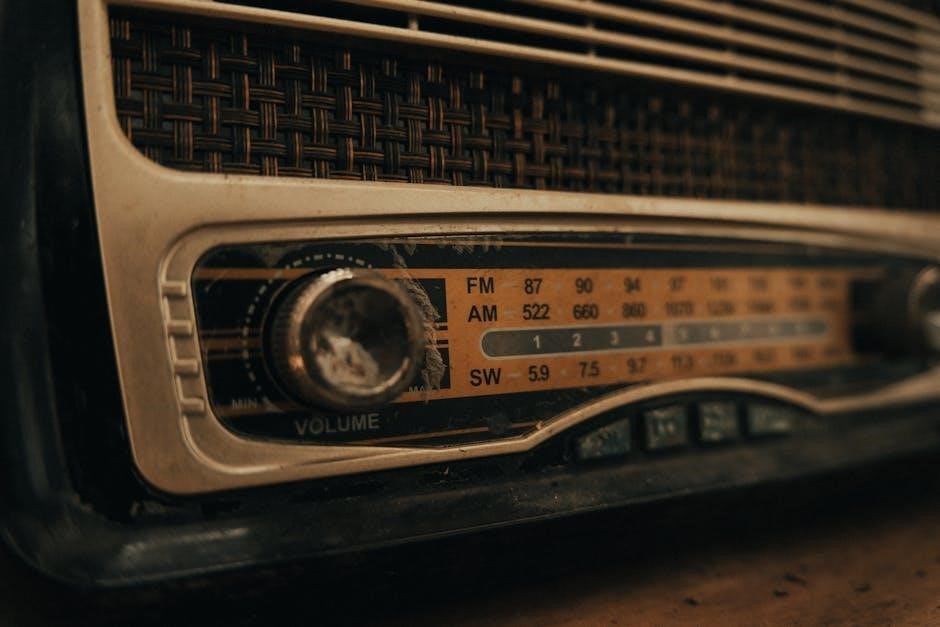
iHome radios easily tune into AM/FM stations, offering preset saving for favorite channels. Volume and sound settings are adjustable, providing a personalized listening experience.
Tuning into AM/FM Stations
To begin listening to the radio on your iHome clock radio, ensure the unit is powered on. Utilize the tuning controls – typically a dial or buttons labeled “Tune Up” and “Tune Down” – to scan through available frequencies. For AM stations, rotate or press the controls to move through the AM band. Similarly, switch to FM mode using the “FM” or “Source” button and repeat the tuning process to find desired FM stations.
Many iHome models feature a radio scan function. This automatically searches for available stations and stops at the strongest signals. Once a station is found, you can fine-tune the reception for optimal clarity. Remember that radio reception can be affected by your location and surrounding interference. Experiment with the antenna position for improved signal strength. The user manual, available on sites like manualzilla, provides specific instructions for your iHome model.
Saving Presets
To personalize your listening experience, iHome clock radios allow you to save your favorite AM and FM stations as presets. First, tune into the station you wish to save. Then, locate the “Preset” or “Memory” buttons on your device. Press and hold one of the numbered preset buttons (typically 1-6, but varies by model) until the radio confirms the station has been saved – often indicated by a beep or a display message.
Repeat this process for each station you want to store. To access your saved presets, simply press the “Preset” button and then the corresponding number. This instantly tunes to your preferred station. Refer to your iHome’s user manual, found on resources like manualzilla, for precise instructions specific to your model, as button layouts and functions can differ. Enjoy quick access to your favorite radio content!
Adjusting Volume and Sound Settings
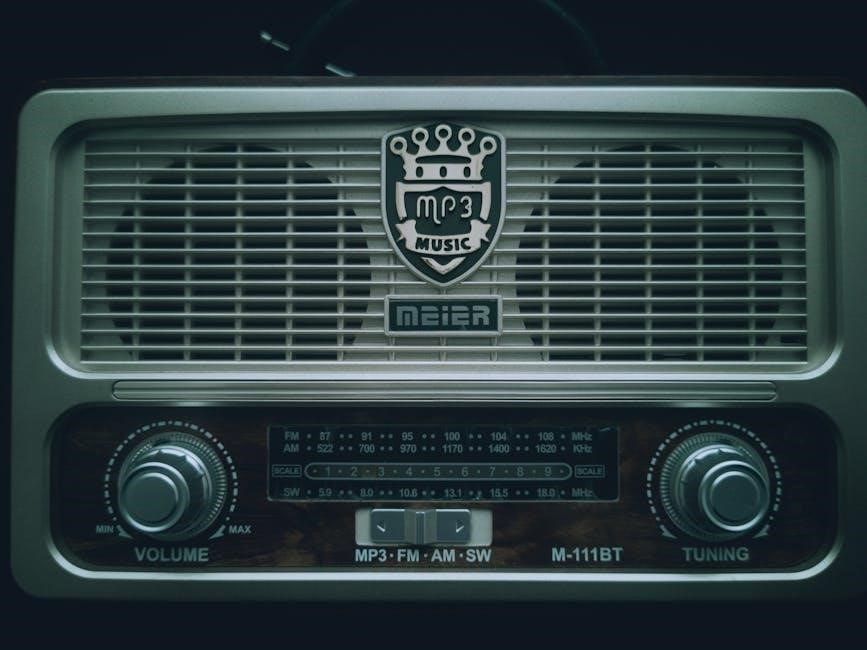
iHome clock radios offer intuitive controls for adjusting volume and sound to your preference. Typically, dedicated volume up and down buttons are located on the top or side of the unit. Press these buttons to increase or decrease the audio level. Some models feature a rotary dial for precise volume control.
Beyond volume, certain iHome radios include sound settings like bass boost or equalization presets. These options, if available, are usually accessed through a “Sound” or “Audio” menu, navigated using the control buttons. Consult your specific iHome model’s user manual – resources like manualzilla can provide this – to understand the full range of available sound customization options. Experiment to find the settings that best suit your listening enjoyment!
Connecting External Devices
iHome clock radios enhance versatility through auxiliary inputs and USB ports, allowing connection of smartphones, tablets, or MP3 players for expanded audio options.
Using the Auxiliary Input
The auxiliary input on your iHome clock radio provides a convenient way to connect external audio devices, such as smartphones, tablets, or MP3 players, allowing you to enjoy your personal music library through the radio’s speakers. Typically, this input utilizes a 3.5mm audio cable (not always included), which you’ll need to connect from the headphone jack of your device to the “AUX IN” port on the back of the iHome unit.
Once connected, select the “AUX” or “Line-In” source on your iHome radio. This is usually done by pressing a “Source” or “Input” button repeatedly until “AUX” appears on the display. After selecting the correct input, control the volume and playback directly from your connected device. Ensure the volume on both your device and the iHome radio are at reasonable levels to prevent distortion. The auxiliary input bypasses the radio tuner, delivering a direct audio signal from your external source, offering a higher fidelity listening experience.
Charging Devices via USB
Many iHome clock radios feature a built-in USB port, offering a convenient charging solution for your smartphones, tablets, and other USB-powered devices. This port typically delivers a standard USB charging current, suitable for overnight charging or topping up your device’s battery. Simply connect your device to the USB port using its standard charging cable.
Charging will commence automatically once the cable is connected, and you can continue to use your device while it charges. Note that the charging speed may vary depending on your device and its charging requirements. The USB port remains active even when the radio is turned off, allowing for continuous charging. However, it’s advisable to disconnect your device once fully charged to conserve energy and prolong battery life. Some models may offer a dedicated charging indicator light.
Troubleshooting Common Issues
iHome clock radio problems, like alarms failing or reception issues, are often easily resolved. Checking power connections and reviewing the user guide can fix most concerns.
Alarm Not Sounding
If your iHome clock radio alarm isn’t sounding, several factors could be at play. First, ensure the alarm is properly set and enabled – double-check the alarm time and that the alarm function is switched ‘on’. Verify the volume isn’t muted or set too low; a silent alarm is useless!
Next, inspect the power connection. A loose power cord can prevent the alarm from functioning correctly. If using battery backup, confirm the batteries are fresh and correctly installed. Some iHome models have a dedicated alarm volume control; ensure this is appropriately adjusted.
Consider if you’ve accidentally set the alarm to radio mode and the radio isn’t tuned to a station, or the signal is weak. Finally, consult the user manual for specific troubleshooting steps related to your iHome model, as features and settings can vary.
Radio Reception Problems
Experiencing poor radio reception with your iHome clock radio is a common issue, but often easily resolved. Begin by checking the antenna – ensure it’s fully extended and positioned for optimal signal capture. Try repositioning the radio itself; proximity to windows or away from electronic interference can significantly improve reception.
Weak signals are more prevalent with FM stations, so experiment with slightly adjusting the radio’s position. If you’re in a geographically challenging area, reception will naturally be more difficult. Consider that building materials and surrounding structures can also obstruct signals.
For AM reception, try rotating the radio, as AM antennas are directional. If problems persist, consult the user manual for specific antenna recommendations or troubleshooting tips for your iHome model.
Display Issues
If your iHome clock radio’s display is malfunctioning, several factors could be at play. First, ensure the radio is receiving consistent power; a fluctuating power supply can cause display flickering or complete failure. Check the power cord connection and try a different outlet to rule out electrical issues.
Dim or faded displays often indicate low battery backup levels (if applicable). Replacing the battery, typically a CR2032, should restore brightness. If the display is completely blank, even with power, a reset might be necessary – consult your user manual for reset procedures.
Occasionally, the display may exhibit strange characters or segments. This could signal an internal component failure, potentially requiring professional repair or replacement.