

Manual Overview

The 2014 Honda Accord user manual offers comprehensive guidance on vehicle operation, maintenance, and safety features․ It details exterior controls, interior systems, powertrain specifications, and driver assistance technologies, ensuring owners can fully understand and care for their Accord․ for owners

1․1 Availability and Formats
The 2014 Honda Accord user manual is available in several convenient formats to suit every owner’s needs․ A hard‑copy version can be purchased directly from authorized Honda dealerships, where it is printed on durable paper and bound for long‑term use; For those who prefer a more portable option, the manual is offered as a PDF download from the official Honda website and reputable automotive manual repositories such as ManualsLib․ The PDF preserves the original layout, including detailed diagrams and safety warnings, and it is searchable, making it easy to locate specific sections like engine specifications or infotainment controls․ Digital formats are also supported on e‑readers and tablets, allowing users to zoom in on intricate illustrations without loss of clarity․ The manual can be accessed via the Honda Owner’s Mobile App, which provides a responsive, touch‑friendly interface and the ability to bookmark frequently used pages․ For international owners, the manual is available in multiple languages, including English, Spanish, French, and German, ensuring clear comprehension of vehicle features across markets․ Each format is designed to meet the needs of both new drivers and seasoned mechanics, offering a comprehensive resource that can be consulted at home, in the garage, or on the road․ Whether you prefer a physical book, a downloadable PDF, or an interactive app, the 2014 Honda Accord user manual is readily available to help you maintain and enjoy your vehicle safely and efficiently․ Use it for safe driving and care․!!
1․2 Key Sections
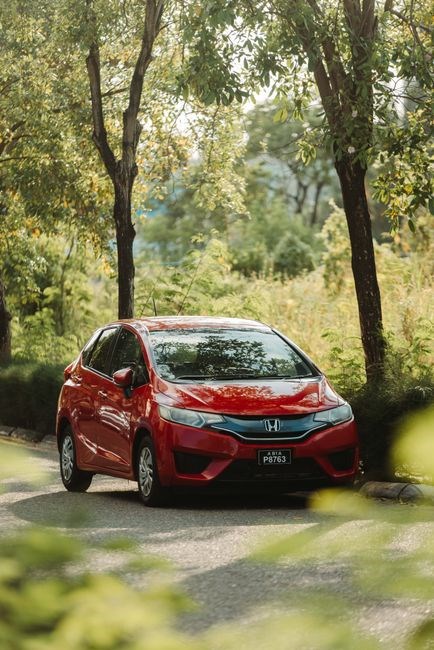
The 2014 Honda Accord user manual is organized into distinct sections that guide owners through every aspect of vehicle operation and maintenance․ The first section, Vehicle Overview, introduces the model’s trim levels, exterior dimensions, and key safety features, providing a quick reference for identifying the Accord variant․ Next, the Controls and Features section details the operation of the steering wheel, gear selector, infotainment system, and climate controls, including step‑by‑step instructions for accessing settings․ The Powertrain and Engine section explains engine specifications, transmission types, and recommended oil types, while also covering troubleshooting for engine noises․ Following that, the Maintenance Schedule outlines routine service intervals, fluid changes, and tire rotation guidelines, ensuring long‑term reliability․ The Safety Systems section covers airbags, seatbelt pretensioners, and collision‑avoidance technologies, with diagrams illustrating proper usage․ Finally, the Appendices provide technical data, wiring diagrams, and a glossary of automotive terms, making it easier for technicians and DIY enthusiasts to perform repairs․ Each section is designed to be self‑contained, allowing owners to quickly locate the information they need without navigating the entire manual․ The manual also includes a quick‑start guide and a troubleshooting section for issuesdaily? today․
Exterior Controls
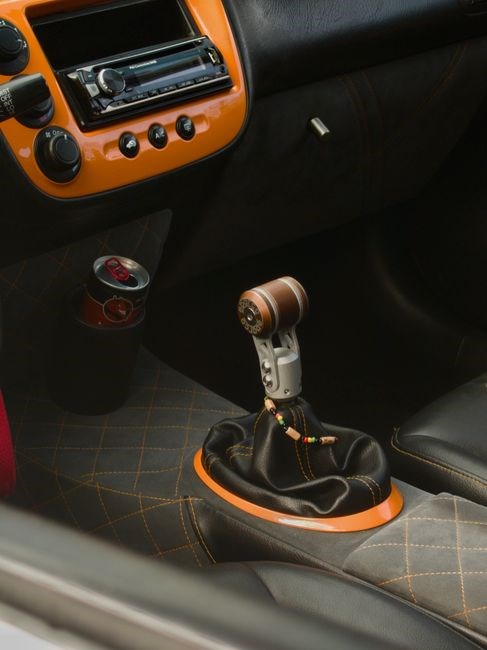
Exterior controls include the power‑steering wheel, gear selector, turn‑signal lever, wiper switch, and light controls․ The manual explains headlamp, fog light, parking light operation, and automatic interior light dimming․ It also covers side‑mirror and rear‑view mirror adjustments․ All controlslabeled
2․1 Lighting and Wipers
Lighting and wipers are essential for safe driving․ The 2014 Accord uses HID headlamps that provide bright illumination and a rapid‑start feature․ The driver selects low‑beam, high‑beam, or automatic mode via the steering‑column switch; an automatic high‑beam system dims the beams when oncoming traffic is detected․ Fog lamps sit below the headlamps and are turned on with a dedicated steering‑wheel switch, improving visibility in fog, rain, or snow․ Parking lights illuminate automatically when the ignition is on, and the interior dome light activates when a door opens․ The interior light dims automatically when exterior lights are on, creating a comfortable cabin environment․ The wiper system includes a power‑steering‑controlled motor, a rain‑sensor that adjusts speed, and a low‑speed setting for light rain․ The system also supports automatic wiper speed adjustment when the rain sensor detects increased precipitation, enhancing driver convenience․ The driver can manually set wiper speed with the column lever․ The washer system, integrated with the wipers, features a high‑pressure nozzle that sprays water onto the windshield․ The washer fluid reservoir is behind the rear seat; the fluid level is visible through a transparent window․ Wiper blades are replaceable and designed for optimal glass contact; The manual explains how to replace wipers, refill washer fluid, and troubleshoot common lighting and wiper problems․ By following these instructions, drivers keep lighting and wiper systems fully functional, ensuring maximum visibility and safety․ All features meet safety standards․
2․2 Power Windows and Locks
Power windows and locks in the 2014 Accord are electronically controlled, offering convenience and safety․ The driver’s door panel houses a switch that activates the power‑window motor, allowing the window to roll up or down with a single press․ A secondary button on the same switch provides a quick‑open function for the driver’s side, while the passenger side uses a separate button․ The system automatically stops the window when it reaches the fully open or fully closed position, preventing damage․ A lock icon appears on the dashboard when the windows are locked, and the central lock lever on the driver’s side controls all four windows simultaneously․ The manual explains how to lock and unlock windows, including the use of the key fob’s remote lock feature, which locks all doors and windows from a distance․ If a window fails to move, the manual advises checking the fuse, inspecting the motor, and ensuring the window seal is intact․ For child safety, the driver’s side can be set to a “child‑lock” mode, preventing the passenger side from operating the window․ The power‑window system is designed to meet crash‑test requirements, ensuring that the window remains operable in the event of a collision․ The manual also covers how to reset the system if a window becomes stuck, and provides troubleshooting tips for common electrical issues․ By following these guidelines, owners can maintain reliable window and lock operation throughout the vehicle’s lifespan․ Owners should also check window seals for debris and ensure!

Interior Features
The 2014 Accord’s interior blends comfort and technology․ A clean dashboard hosts a multi‑function display, steering‑wheel controls, and a 7‑inch touchscreen․ Premium seats offer power adjustment, while the climate system delivers dual‑zone control․ Ambient lighting enhances the cabin atmosphere․․․ !
3․1 Dashboard and Instrument Cluster
The 2014 Honda Accord features a modern, driver‑centered dashboard that balances form and function․ The instrument cluster is a 7‑inch multi‑function display that replaces the traditional analog gauge layout with a digital readout․ It shows speed, odometer, trip meters, fuel economy, and engine RPM in real‑time․ The cluster also hosts a suite of warning lights and icons that illuminate automatically when a system requires attention․ The “Check Engine” light, for example, flashes when the OBD‑II system detects a fault, while the “Low Fuel” indicator warns you when the tank is below 10 %․ The “Brake System” icon lights when the ABS or traction control is engaged, and the “Seatbelt” symbol reminds occupants to fasten restraints․ The display offers a “Driver Information” mode that can be toggled to show trip distance, average fuel consumption, and estimated range based on current driving patterns․ A “Vehicle Information” mode provides maintenance reminders, service intervals, and the next scheduled oil change․ The dashboard also incorporates a high‑contrast, backlit instrument panel that remains legible in low‑light conditions․ The steering wheel is equipped with integrated controls for the audio system, cruise control, and phone hands‑free operation, allowing the driver to keep eyes on the road․ The center console houses a 7‑inch touchscreen that interfaces with the vehicle’s infotainment system, providing navigation, media, and vehicle settings․ The touchscreen’s interface is intuitive, featuring large icons and a responsive touch panel that supports multi‑finger gestures․ The Accord’s interior lighting is adjustable via a dimmer switch, enabling ambient lighting that can be set to a warm or cool tone․ The overall layout prioritizes ergonomics, with the instrument cluster positioned at eye level and the controls within easy reach․ This design not only enhances safety by reducing distraction but also delivers a premium driving experience that aligns with Honda’s commitment to quality and innovation․ All instrument cluster functions are fully customizable through the vehicle’s settings menu, allowing drivers to tailor the display to their preferences․
3․2 Climate Control, Audio, and Navigation
The 2014 Honda Accord’s climate system is a dual‑zone automatic that lets the driver and front passenger set independent temperatures․ A single blower motor and variable‑speed fans deliver consistent airflow to each zone․ Temperature controls sit on the center console with a digital readout showing the setpoint and actual cabin temperature․ The system automatically adjusts fan speed and air distribution based on sensor input, ensuring comfort․ A high‑efficiency particulate filter reduces allergens and improves cabin air quality․ Rear‑side vents provide airflow to rear passengers without compromising front space․ A “Recirculate” switch toggles between fresh outside air and recirculated cabin air, maintaining temperature stability during rapid changes․ An “Eco” mode reduces power consumption by limiting fan speed and adjusting setpoints․ The audio system is a 6‑speaker setup that delivers clear sound across the cabin․ A 6․2‑inch touchscreen supports Bluetooth, USB, auxiliary inputs, and a 4‑band equalizer for fine‑tune audio․ The infotainment interface enables voice‑controlled navigation and media playback․ Built‑in GPS receives real‑time traffic updates via the vehicle’s mobile data connection․ The navigation map updates annually, ensuring accurate road and lane information․ Voice prompts, lane‑guidance, and points‑of‑interest overlays are available․ The 7‑inch capacitive touchscreen supports multi‑finger gestures for zoom, pan, and search․ A “Smart” feature learns user preferences and suggests routes based on past behavior․ All climate, audio, and navigation functions are accessible via the central touchscreen or steering‑wheel controls, providing a seamless user experience that aligns with Honda’s commitment to safety and convenience․ Features provide a smooth drive

Powertrain and Maintenance
The 2014 Accord features a 2․4L i-VTEC engine paired with a continuously variable transmission (CVT)․ Regular oil changes every 7,500 miles, filter replacements, and coolant checks keep performance optimal․ Follow the manufacturer’s service schedule for longevity․ Check transmission fluid․ and belt․

4․1 Engine and Transmission
The 2014 Honda Accord is powered by a 2․4‑liter i‑VTEC inline‑four engine that delivers 185 horsepower and 166 lb‑ft of torque․ This engine is paired with a continuously variable transmission (CVT) that provides seamless acceleration and improved fuel efficiency․ The CVT uses a belt and pulley system to deliver variable gear ratios, eliminating the traditional clutch and gear‑shift points․ The engine’s intake manifold is designed for optimal airflow, while the exhaust system incorporates a catalytic converter to reduce emissions․ The engine management system monitors throttle position, cam timing, and fuel injection to maintain peak performance․ The 2․4L engine is rated at 30 mpg city and 38 mpg highway, meeting EPA standards for the model year․ The transmission features an electronic control module that adjusts torque converter lock‑up and shift points based on driving conditions․ Regular maintenance includes oil changes every 7,500 miles, filter replacement, and coolant checks․ The engine’s timing belt is not required; instead, a timing chain ensures durability․ The CVT’s belt is designed to last the life of the vehicle, but a periodic inspection is recommended․ Proper cooling system operation is essential; the radiator, thermostat, and water pump must be inspected during routine service; The engine’s cooling system uses a 50/50 mix of antifreeze and water, with a recommended change interval of 5 years or 60,000 miles; The 2014 Accord’s engine and transmission work together to provide a smooth, responsive driving experience while maintaining fuel economy and low emissions․ For detailed service intervals and specifications, refer to the maintenance schedule section of the manual․
- Engine displacement: 2․4L (146․9 cu in) with i‑VTEC technology․
- Transmission type: CVT with electronic control for smooth power delivery․
- Fuel system: Multi‑point injection with throttle‑body management․
- Cooling system: 50/50 antifreeze mix, radiator capacity 2․5 gallons․
Engine and transmission components are engineered for longevity, with a design life of 200,000 miles under normal driving conditions․
Owners should follow the manufacturer’s recommended service schedule to preserve warranty coverage․
Check for leaks regularly!
4․2 Maintenance Schedule
Follow the 2014 Accord’s maintenance intervals to preserve performance and warranty․ All mileage figures are in miles unless otherwise noted․
- Every 5,000 mi (6 mo): Check engine oil, fluid levels, tires, lights, and battery terminals․
- Every 10,000 mi (12 mo): Oil and filter change; inspect spark plugs, air filter, brakes, and suspension․
- Every 15,000 mi (18 mo): Replace cabin air filter; inspect brake pads, rotors, and steering․
- Every 30,000 mi (36 mo): Flush coolant; check transmission fluid; replace brake fluid; inspect exhaust․
- Every 60,000 mi (72 mo): Replace transmission fluid and filter; inspect timing belt/chain; replace fuel filter․
- Every 100,000 mi (120 mo): Replace timing belt/chain if applicable; replace engine oil and filter; inspect suspension and brakes․
Adjust intervals for severe driving conditions․ Keep a service log for records and warranty compliance․
For extreme conditions, tighten the oil change interval to 5,000 mi and replace the cabin air filter every 15,000 mi․ Refer to the service manual for torque specs and part numbers․

Safety and Driver Assistance
The 2014 Accord equips drivers with advanced safety systems, including airbags, seatbelts, ABS, stability control, and traction management․ Optional features such as lane‑departure warning and adaptive cruise control enhance protection, ensuring a secure driving experience and meets all safety standards․!!
5․1 Airbag, Seatbelt, and Crash Features
The 2014 Accord’s safety architecture integrates multiple airbags, seatbelt pretensioners, reinforced compartment to mitigate impact forces․ Airbags deploy in collisions, while side‑airbags protect occupants during side impacts․ Supplemental Restraint System (SRS) monitors seatbelt tension and deploys airbags when necessary․ Seatbelts feature pre‑tensioning and load‑limiting mechanisms that tighten and reduce slack during a crash, ensuring the occupant remains securely positioned․
The vehicle’s crumple zones absorb kinetic energy, redirecting it away from the cabin․ Structural reinforcement, including high‑strength steel rails, maintains cabin integrity․
The driver and front passenger airbags are sized and positioned to cover the head and chest, while side airbags extend from the door panels to shield the torso and hips․ The system also includes a seat‑belt reminder chime that alerts occupants to fasten belts, and a child‑seat‑belt indicator that confirms proper installation of child restraints․ In addition, the Accord’s safety package offers a rear‑view camera, which enhances visibility during reverse maneuvers, and a collision‑avoidance system that can detect obstacles and apply brakes if a collision is imminent․ These features collectively contribute to a safety net that protects occupants and reduces injury severity in a variety of crash scenarios․
Child‑seat belt indicator ensures proper restraint․
Safety systems protect all occupants daily

5․2 ABS, Stability Control, and Traction
ABS, the anti‑lock braking system, prevents wheel lock‑up during braking, allowing driver to maintain steering control․ By sensors, ABS modulates brake pressure in pulses, ensuring optimal stopping distances on dry surfaces․ The system works with electronic stability control (ESC) to detect loss of vehicle stability; ESC applies selective braking or reduces engine torque to help recover from․ Traction control (TCS) monitors wheel spin during acceleration and reduces engine power or applies brake pressure to maximize traction on surfaces․ Together, ABS, ESC, and TCS provide a safety net that enhances vehicle handling and reduces stopping distances! for saf!
The dashboard displays a dedicated ABS/ESC icon that illuminates when the system is active or when a fault is detected․ Drivers should pay attention to this indicator, as it signals that the vehicle’s safety systems are engaged․ Brake fluid should be replaced according to the manufacturer’s schedule, wheel speed sensors kept clean and free of debris, and tires inspected for proper tread depth and inflation․
The system works with electronic stability control (ESC) to detect loss of vehicle stability; ESC applies selective braking or reduces engine torque to help recover from over‑steer or under‑steer․ Traction control (TCS) monitors wheel spin during acceleration and reduces engine power or applies brake pressure to maximize traction on slippery or uneven surfaces․
Traction control (TCS) monitors wheel spin during acceleration and reduces engine power or applies brake pressure to maximize traction on surfaces․
Together, ABS, ESC, and TCS provide a safety net that enhances vehicle handling and reduces stopping distances!
During normal operation, the ABS system continuously evaluates wheel rotation rates․ If a wheel begins to lock, the system modulates brake pressure, preventing loss of steering․ This rapid pressure modulation is invisible to the driver but essential for maintaining control on slick roads․ Proper brake fluid levels ensure the ABS can function correctly․
The ESC system works in tandem with ABS to detect yaw and lateral slip․ When the vehicle begins to over‑steer or under‑steer, ESC applies selective braking and reduces engine torque to realign the vehicle․ This coordinated response reduces the likelihood of a spin‑out, especially during evasive maneuvers or on uneven terrain․ By integrating sensor data from wheel speed, steering angle, and yaw rate, ESC can predict loss of traction before it becomes visible․ This proactive intervention enhances driver confidence and overall safety, making the Accord a reliable choice for both daily commuting and challenging driving conditions․