

The 2018 Honda Accord offers a blend of style, efficiency, and technology, as discussed in various online forums and dealer listings from 2018-2026.
Overview of the 2018 Accord
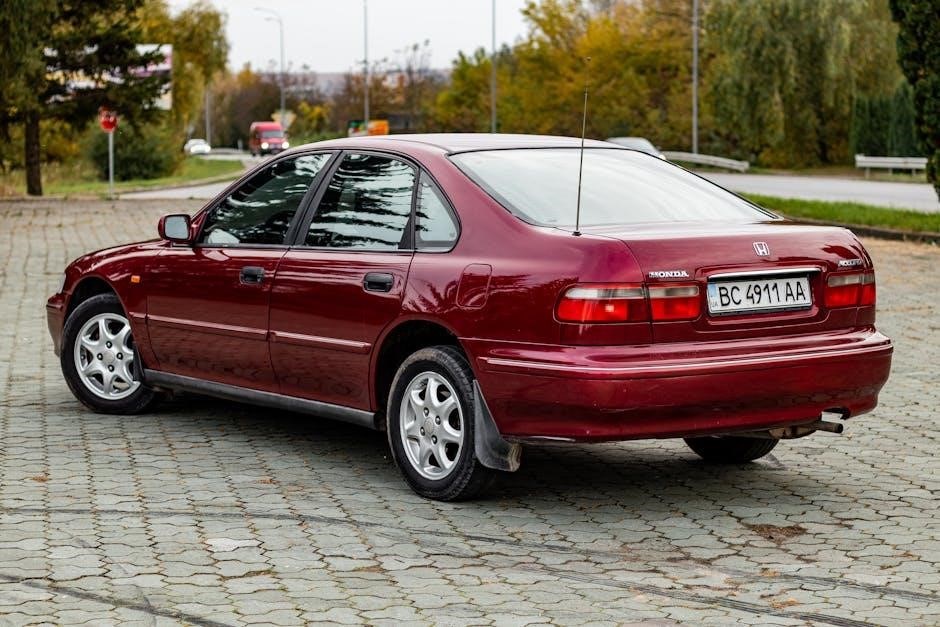
The 2018 Honda Accord represents a significant evolution in the mid-size sedan segment, boasting a refreshed design and enhanced features. Online discussions from sources spanning 2018 to 2026, including Honda forums and dealer advertisements, highlight its appeal. Available in various trims, the Accord caters to diverse preferences, from the practical LX to the luxurious Touring.
Notably, the 2018 model year introduced updated infotainment systems and advanced safety technologies. Forums detail owner experiences with features like Honda Sensing, a suite of driver-assistive systems. Listings showcase models with varying mileage and pricing, reflecting the car’s sustained popularity. The Accord’s reliability and resale value are consistently praised within these online communities, making it a compelling choice for buyers seeking a dependable and well-rounded vehicle.
Key Features and Updates
The 2018 Honda Accord received notable updates, as evidenced by online discussions from 2018-2026, including forum posts and dealer listings. A key highlight is the available 1.5-liter turbocharged engine and a refined 2.0-liter turbocharged option, enhancing performance and fuel efficiency. The infotainment system saw improvements, offering enhanced connectivity features.
Honda Sensing, a suite of safety technologies, became more widely available, including Collision Mitigation Braking and Road Departure Mitigation. Forums frequently mention owner satisfaction with these features. Updates to the exterior styling and interior materials further elevated the Accord’s appeal. Discussions also reveal variations in features based on trim level, with higher trims offering premium amenities like leather seats and advanced audio systems, as advertised by dealers.

Understanding Your Vehicle
Familiarizing yourself with your 2018 Accord is crucial; online forums (2018-2026) and dealer resources provide essential details for ownership and maintenance.
Vehicle Identification Number (VIN) Location
Locating your 2018 Honda Accord’s Vehicle Identification Number (VIN) is essential for various reasons, including warranty claims, vehicle history reports, and potential theft recovery. The VIN is a unique 17-character code specific to your vehicle.
On the 2018 Accord, you can find the VIN in several places: Firstly, it’s located on a metal plate affixed to the driver’s side dashboard, visible through the windshield. Look towards the lower left corner. Secondly, the VIN is printed on the vehicle registration and insurance documents.
Additionally, the VIN can be found on the driver’s side doorjamb sticker. This sticker also contains other important vehicle information. Having access to your VIN is crucial for interacting with Honda dealerships, accessing online vehicle information resources, and ensuring the security of your vehicle.
Understanding Dashboard Symbols and Indicators
The dashboard of your 2018 Honda Accord displays a variety of symbols and indicators designed to keep you informed about the vehicle’s status. Familiarizing yourself with these is crucial for safe and efficient driving. Ignoring warning lights can lead to more significant mechanical issues.
Key symbols include: the check engine light (indicating a potential engine problem), the oil pressure light (signaling low oil pressure), the battery warning light (suggesting a charging system issue), and the brake warning light (indicating a problem with the braking system or parking brake engagement).
Other important indicators include the TPMS (Tire Pressure Monitoring System) light, the airbag warning light, and various lights related to Honda Sensing features. Refer to your owner’s manual for a comprehensive explanation of each symbol and the appropriate action to take when illuminated. Prompt attention to these indicators ensures your safety and vehicle longevity.
Instrument Panel Overview
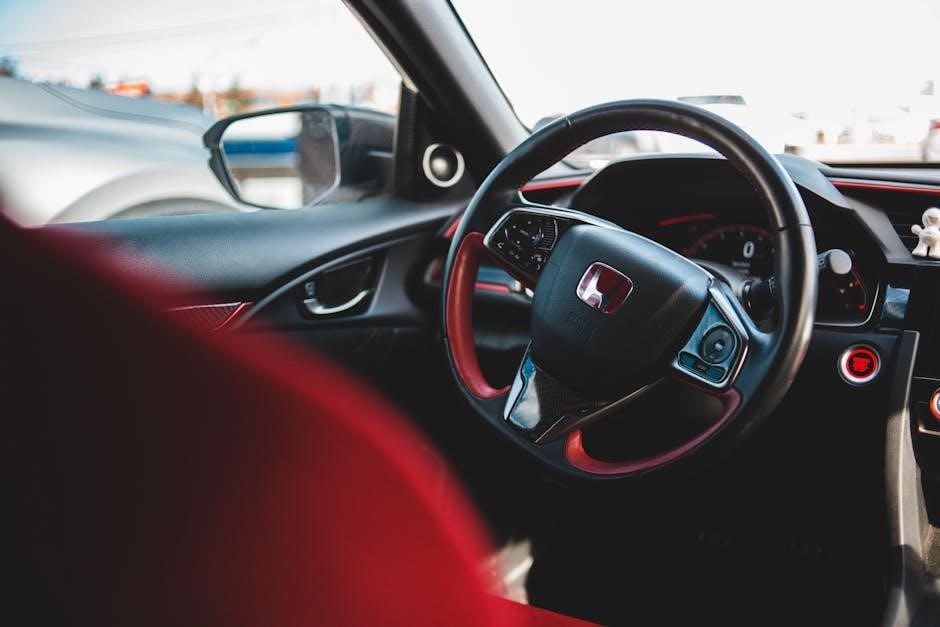
The 2018 Honda Accord’s instrument panel is designed for clear and concise information delivery to the driver. Centrally located is the speedometer and tachometer, displaying vehicle speed and engine RPM respectively. A multi-information display (MID) sits between these gauges, providing access to trip data, fuel economy, and system settings.
To the right of the MID, you’ll find temperature and fuel gauges. Warning lights and indicator lamps are positioned above and below the gauges, alerting you to various vehicle conditions. Controls for the MID are typically found on the steering wheel, allowing for easy adjustment without taking your hands off the wheel.
Understanding the layout and functionality of the instrument panel is essential for monitoring your vehicle’s performance and responding to any potential issues. Consult your owner’s manual for detailed explanations of each component.

Operating Your Vehicle
Successfully operating your 2018 Honda Accord involves understanding its driving modes, starting/stopping procedures, and utilizing the Honda Sensing suite effectively.
Starting and Stopping the Engine
Starting your 2018 Honda Accord is a straightforward process. Ensure the vehicle is in Park (P) or Neutral (N), and firmly depress the brake pedal. Then, press the engine start/stop button until the engine comes to life. A brief system check will occur, indicated by dashboard lights.
To stop the engine, simply press the start/stop button once while the vehicle is in Park (P). The engine will shut down, and the ignition system will deactivate. Avoid prolonged idling, as it can impact fuel efficiency and potentially lead to engine wear. Always ensure the vehicle is completely stopped before shifting into Park. Refer to the complete owner’s manual for detailed instructions and safety precautions regarding engine operation.
Driving Modes (Sport, Eco, Normal)
Your 2018 Honda Accord features three distinct driving modes: Sport, Eco, and Normal. These modes adjust the vehicle’s performance characteristics to suit different driving conditions and preferences. Normal mode provides a balanced driving experience for everyday use.
Eco mode prioritizes fuel efficiency by modifying throttle response and transmission shifting patterns. Sport mode enhances acceleration and responsiveness, offering a more engaging driving experience. To switch between modes, use the designated button located on the center console. Observe the dashboard indicator to confirm the selected mode. Experiment with each mode to discover which best suits your driving style and the current road conditions.
Honda Sensing Suite Features
The 2018 Honda Accord incorporates the Honda Sensing suite of safety and driver-assistive technologies. This suite includes features designed to enhance awareness and mitigate potential hazards. Collision Mitigation Braking System (CMBS) can automatically apply the brakes in emergency situations. Road Departure Mitigation System (RDMS) helps prevent unintentional lane departures.
Adaptive Cruise Control (ACC) maintains a set speed and following distance. Lane Keeping Assist System (LKAS) assists in keeping the vehicle centered in its lane. These systems are supplementary and do not replace attentive driving. Refer to the full owner’s manual for detailed operation and limitations of each Honda Sensing feature.
Cruise Control System Operation
The 2018 Honda Accord’s cruise control system allows you to maintain a desired speed without constantly pressing the accelerator. To activate, accelerate to the desired speed, then press the “Cruise” button on the steering wheel. To set the speed, tap the “Set” button. Increase speed by pressing the “+” button, decrease with the “-“ button.
The system can be cancelled by pressing the brake pedal or tapping the “Cancel” button. Resume the set speed by pressing “Resume/Accel”. The system is affected by road conditions and may require driver intervention. Always remain attentive and adjust speed as needed. Consult the owner’s manual for complete details and safety precautions.

Maintenance and Care
Regular maintenance ensures optimal performance and longevity of your 2018 Honda Accord, covering oil changes, fluid checks, and tire pressure monitoring as needed.
Recommended Maintenance Schedule
Maintaining your 2018 Honda Accord’s performance relies on adhering to a strict maintenance schedule. Every oil change, typically every 7,500 to 10,000 miles with synthetic oil, is crucial for engine health. Tire rotations should occur every 5,000 miles to ensure even wear and extend tire life.
Inspect brake pads, rotors, and fluid levels during each oil change. Air filter replacement is recommended every 15,000 to 30,000 miles, depending on driving conditions. Coolant flushes should be performed every 30,000 to 60,000 miles, and transmission fluid changes around 30,000 miles. Regularly checking and replacing cabin air filters improves air quality. Following this schedule, as detailed in the owner’s manual, maximizes vehicle reliability and resale value.
Oil Change Procedures
Performing an oil change on your 2018 Honda Accord requires specific steps for optimal engine health. First, warm up the engine slightly. Locate the oil drain plug underneath the vehicle and position a drain pan. Carefully remove the plug, allowing the old oil to drain completely.
Next, remove the old oil filter using an oil filter wrench. Lightly lubricate the gasket of the new oil filter with fresh oil before installing it hand-tight. Reinstall the drain plug with a new crush washer, tightening to the specified torque. Finally, add the recommended amount of new oil (typically around 4.4 quarts) and check the oil level with the dipstick. Properly dispose of the used oil and filter.
Tire Pressure Monitoring System (TPMS)
Your 2018 Honda Accord is equipped with a Tire Pressure Monitoring System (TPMS) to enhance safety and fuel efficiency. This system alerts you when tire pressure is significantly low. The TPMS indicator light on the dashboard illuminates when pressure drops below recommended levels.

Recommended tire pressure can be found on a sticker located on the driver’s side doorjamb. Regularly check tire pressure, especially with temperature changes. After inflating tires, the TPMS may require a short drive to recalibrate. Ignoring the TPMS light can lead to uneven tire wear, reduced handling, and potential tire failure. Ensure proper tire maintenance for optimal performance.
Fluid Level Checks (Oil, Coolant, Brake Fluid)
Regularly checking fluid levels is crucial for maintaining your 2018 Honda Accord’s performance and longevity. Begin with the engine oil; use the dipstick to verify the level is between the minimum and maximum marks. Next, inspect the coolant reservoir – the level should be between the “MIN” and “MAX” lines when the engine is cold.
Brake fluid, vital for stopping power, should also be checked. Locate the brake fluid reservoir and ensure the level is near the “MAX” line. Low fluid may indicate a leak. If any fluid is consistently low, consult a qualified technician. Proper fluid levels contribute to a safe and reliable driving experience.

In-Car Technology
The 2018 Accord features HondaLink, an infotainment system, and Bluetooth connectivity, as highlighted in discussions about car audio and navigation systems online.
HondaLink Connectivity System
HondaLink serves as the central hub for connecting your 2018 Accord to a suite of smartphone apps and services. This system, discussed within online Honda forums dating back to 2018, allows for features like streaming audio, accessing navigation, and vehicle health information.
Users can download the HondaLink app to their smartphones and pair it with the vehicle’s infotainment system via Bluetooth. Through the app, owners can remotely start the engine (on equipped models), lock/unlock doors, and check vehicle status. The system also provides access to roadside assistance and service scheduling.
Forum posts indicate that HondaLink functionality and app availability may vary depending on your smartphone operating system (iOS or Android) and subscription status. Regular software updates are recommended to ensure optimal performance and access to the latest features.
Infotainment System Operation
The 2018 Accord’s infotainment system is controlled via a responsive touchscreen display, supplemented by physical buttons and knobs for essential functions. Online Honda forums from 2018 onwards frequently discuss its operation. The system allows access to audio sources (AM/FM radio, USB, Bluetooth), navigation, and vehicle settings.
Swiping and tapping the touchscreen navigate menus. Voice commands offer hands-free control of various features. Users can customize the home screen with frequently used apps. The system supports Apple CarPlay and Android Auto integration, mirroring smartphone functionality onto the display.
Troubleshooting tips shared in forums suggest restarting the system if encountering glitches. Software updates, available through HondaLink, enhance performance and add new features. Familiarizing yourself with the system’s layout and settings will maximize your driving experience.
Bluetooth Pairing and Usage
Pairing your smartphone with the 2018 Honda Accord’s Bluetooth system enables hands-free calling and audio streaming. Access the “Phone” menu on the infotainment display and select “Add Device.” Ensure your phone’s Bluetooth is enabled and discoverable. The Accord will search for available devices; select your phone from the list.
A PIN may appear on both screens – confirm they match. Once paired, your phone’s contacts will sync with the vehicle’s system. Use voice commands or the touchscreen to initiate calls. Audio streaming is controlled through your phone and the Accord’s audio controls.
Online forums suggest deleting old pairings to improve performance. If experiencing connection issues, try restarting both devices. HondaLink provides further support and troubleshooting tips.
Navigation System Guide
The 2018 Honda Accord’s navigation system offers turn-by-turn directions, real-time traffic updates, and points of interest. Input your destination via voice command or the touchscreen interface. The system allows searching by address, intersection, or category. Utilize the map view to zoom, pan, and explore surrounding areas.
Route options include fastest time, shortest distance, and avoidance of tolls or highways. During navigation, the system provides visual and audible guidance. Recalculation occurs automatically if you deviate from the route. Online resources suggest regularly updating the map data for accuracy.

HondaLink connectivity can enhance the navigation experience. Explore advanced features like sending destinations from your smartphone.
Safety Features
The 2018 Accord prioritizes occupant protection with advanced systems like airbags, VSA, and CMBS, as highlighted in discussions across automotive forums from 2018-2026.
Airbag System Information
Your 2018 Honda Accord is equipped with a sophisticated airbag system designed to provide enhanced protection in the event of a collision. This system includes front airbags for both driver and passenger, side airbags mounted in the front seats, and side curtain airbags that deploy along the side windows.
Understanding how the airbag system functions is crucial for your safety. Airbags are designed to work in conjunction with seatbelts, not as a replacement for them. Always ensure all occupants are properly restrained. The system utilizes sensors to detect the severity of an impact and deploys airbags accordingly.
Important Considerations: Improper seating positions, especially for children, can increase the risk of injury during airbag deployment. Refer to the dedicated child safety seat section of the owner’s manual for detailed guidance. Modifications to the vehicle’s electrical system or airbag components can compromise the system’s effectiveness and should only be performed by qualified technicians. Regularly inspect the airbag warning light on the instrument panel; if it illuminates, have the system inspected immediately.
Vehicle Stability Assist (VSA)
The 2018 Honda Accord features Vehicle Stability Assist (VSA), an electronic system designed to enhance stability and prevent skidding. VSA utilizes sensors to monitor steering angle, wheel speed, and vehicle direction. When VSA detects a loss of control, such as oversteering or understeering, it selectively applies braking force to individual wheels and adjusts engine power to help steer the vehicle back on course.
A VSA indicator light on the instrument panel illuminates when the system is actively engaged. It’s important to understand that VSA is not a substitute for safe driving practices. Maintain a safe speed, avoid sudden maneuvers, and always be aware of road conditions.
System Operation & Limitations: VSA can be temporarily disabled using a dedicated button, but it automatically re-engages upon restarting the vehicle. Note that VSA’s effectiveness can be reduced on slippery surfaces or when using winter tires. Always prioritize safe driving habits and adjust your driving style to the prevailing conditions.
Collision Mitigation Braking System (CMBS)
The 2018 Honda Accord’s Collision Mitigation Braking System (CMBS) is a safety feature designed to help avoid or lessen the severity of frontal collisions. Utilizing a forward-facing camera and radar sensor, CMBS monitors the road ahead for potential hazards, including vehicles and pedestrians.
If CMBS detects a potential collision, it provides three levels of warning: a visual alert, an audible warning, and finally, gentle braking. If the driver does not react, CMBS can apply the brakes forcefully to help mitigate or avoid a collision.
System Limitations: CMBS performance can be affected by factors like weather, road conditions, and the visibility of lane markings. It’s crucial to remain attentive and maintain a safe following distance. CMBS is a driver-assistive feature and should not replace safe driving practices.
Troubleshooting
Addressing common issues, online Honda forums from 2018-2026 detail warning lights, jump-starting, and emergency procedures for Accord owners seeking quick solutions.
Common Warning Lights and Their Meanings
Understanding the illuminated symbols on your 2018 Honda Accord’s dashboard is crucial for preventative maintenance and safe operation. The Check Engine Light (CEL) indicates a potential engine issue requiring diagnosis. A flashing CEL signals a more severe problem needing immediate attention. The Battery Warning Light signifies a charging system malfunction – potentially a failing alternator or battery.
The Oil Pressure Light warns of critically low oil pressure, demanding an immediate engine shutdown to prevent damage. A Brake System Warning Light illuminates if there’s a low brake fluid level or a system malfunction. The Tire Pressure Monitoring System (TPMS) light indicates low tire pressure in one or more tires. Finally, the Vehicle Stability Assist (VSA) light flashes during system operation, and a solid light suggests a system issue. Refer to your owner’s manual for a comprehensive list and detailed explanations.
Jump Starting Procedures
If your 2018 Honda Accord’s battery is depleted, a jump start can get you going, but follow these steps carefully to avoid damage. First, position a second vehicle close enough for the jumper cables to reach, but do not let the vehicles touch. Connect the red (+) cable to the positive terminal of the discharged battery, then to the positive terminal of the good battery.
Next, connect the black (-) cable to the negative terminal of the good battery, and then to a grounded metal surface on your Accord – not the negative battery terminal. Start the good vehicle and let it run for a few minutes. Then, attempt to start your Accord. If successful, disconnect the cables in the reverse order of connection. Consult your owner’s manual for specific guidance and safety precautions.
What to Do in an Emergency
In the event of an emergency with your 2018 Honda Accord, prioritize safety first. If you experience a breakdown, safely pull over to the side of the road, activate your hazard lights, and consider placing warning triangles. Ensure all passengers are safely away from traffic.
For medical emergencies, immediately contact emergency services (911 in the US). If involved in a collision, check for injuries and exchange information with other parties involved. Document the scene with photos if possible. Refer to your owner’s manual for information on roadside assistance programs and emergency contact numbers. Remember to remain calm and assess the situation before taking action, prioritizing your well-being and the safety of others.